The Use of Drones in Studying Animals and Creatures: Perspectives and Controversies
Category : | Sub Category : Posted on 2024-10-05 22:25:23
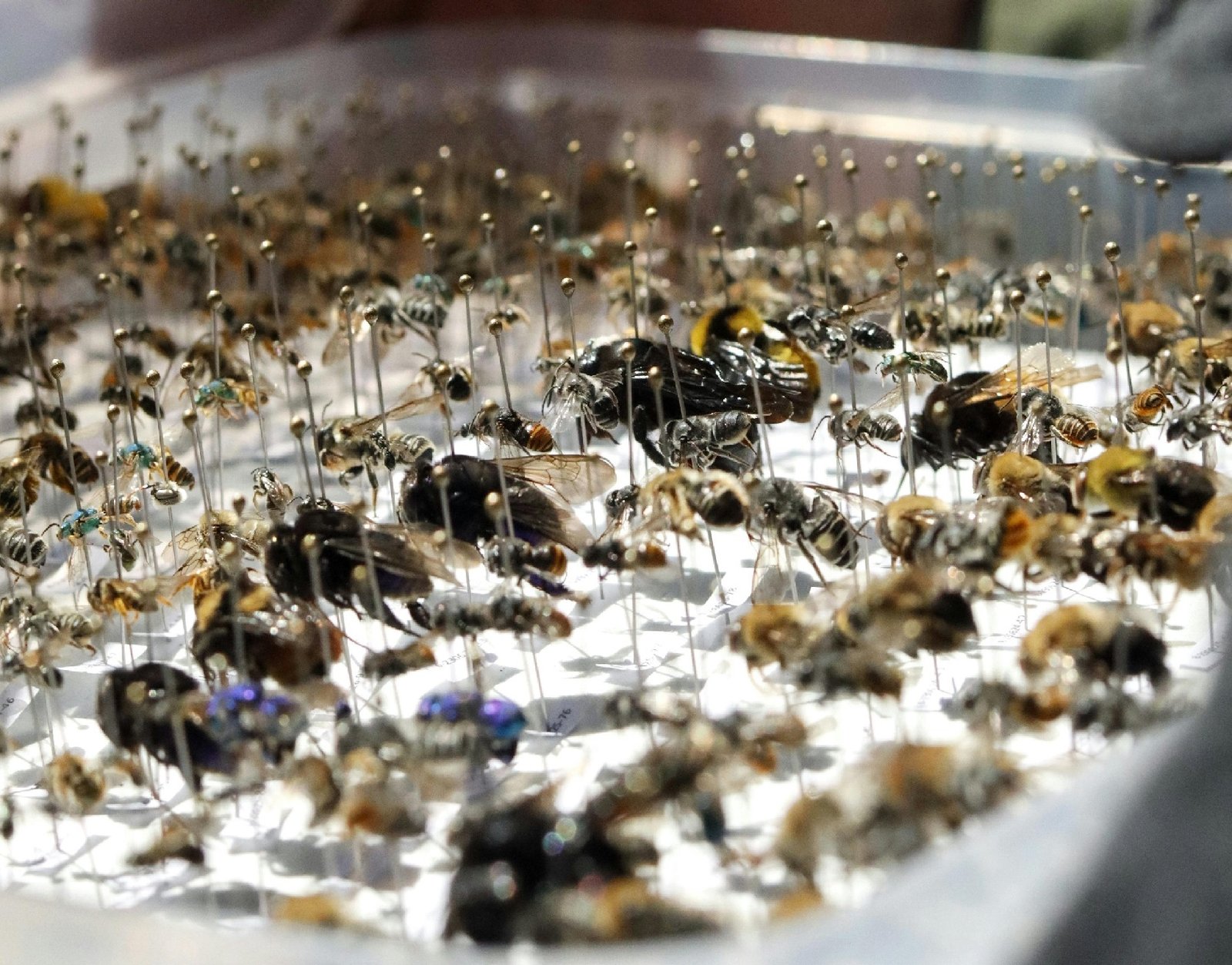
drones, also known as unmanned aerial vehicles (UAVs), have revolutionized various industries with their ability to capture high-quality aerial footage and collect data from hard-to-reach places. In recent years, drones have found an increasing number of applications in studying animals and creatures, providing researchers with valuable insights into their behavior, habitats, and populations. Despite their potential benefits, the use of drones in this context has sparked debates and controversies among scientists, conservationists, and the general public. One of the main advantages of using drones in studying animals and creatures is their ability to access remote and challenging terrains that are difficult or dangerous for researchers to traverse. Drones equipped with cameras and sensors can fly over vast areas of land or sea to monitor wildlife populations, track animal movements, and gather data on habitats with minimal disturbance. This non-invasive approach allows researchers to study animals in their natural environments without causing stress or disruption to the species being observed. Furthermore, drones offer a cost-effective and efficient alternative to traditional survey methods, such as ground surveys or manned aircraft flights. By conducting aerial surveys using drones, researchers can cover larger areas in less time and at a lower cost, enabling them to gather more comprehensive data on wildlife populations and distribution patterns. This can be particularly useful for conservation efforts aimed at protecting endangered species and ecosystems. Despite their advantages, the use of drones in studying animals and creatures is not without its controversies. One of the main concerns raised by critics is the potential for drones to disturb wildlife and disrupt their natural behavior. The noise, visual presence, and sudden movements of drones can cause stress and anxiety among animals, leading to changes in their behavior, breeding patterns, or migration routes. Critics argue that the use of drones could have negative impacts on the well-being and survival of wildlife populations, especially those that are already under threat. Another contentious issue surrounding the use of drones in wildlife research is the invasion of privacy and ethical considerations. Drones equipped with cameras can capture images and videos of animals in their natural habitats, raising concerns about the unauthorized surveillance of wildlife and the potential exploitation of sensitive data for commercial or entertainment purposes. Researchers must address these ethical dilemmas by ensuring that their use of drones complies with regulations, respects the privacy of animals, and prioritizes the conservation of natural habitats. In conclusion, the use of drones in studying animals and creatures offers a unique opportunity to enhance our understanding of wildlife, biodiversity, and ecosystems. While drones have the potential to revolutionize wildlife research and conservation efforts, it is crucial to carefully consider the perspectives and controversies surrounding their use. By balancing the benefits of drone technology with ethical considerations and conservation priorities, researchers can harness the power of drones to contribute to the protection and preservation of our planet's precious wildlife and natural resources.
https://especie.org
https://criatura.org
Leave a Comment:
SEARCH
Recent News
- Zurich, Switzerland is a vibrant city known for its stunning views, historic landmarks, and cultural events. One of the popular events that attract both locals and visitors alike is singing competitions.
- Zurich, Switzerland is not only known for its picturesque landscapes and vibrant culture but also for its diverse wildlife. While the city may be more commonly associated with its financial sector and luxury shopping, there are some rare and fascinating animals that call Zurich home.
- Hackathons have become a popular way for tech enthusiasts, developers, and innovators to come together and work on creative solutions to various challenges. Zurich, Switzerland, known for its thriving tech scene and innovation hub, has also seen a rise in hackathon competitions in recent years.
- Zurich, Switzerland, is a beautiful city known for its stunning architecture, picturesque landscapes, and rich cultural heritage. However, amidst all the beauty and sophistication, there is also a growing trend of keeping exotic pets in Zurich.
- In recent years, YouTube content creation has exploded in popularity, with creators from all walks of life sharing their talents, interests, and expertise with the world. One popular genre within the YouTube community is singing competitions, where aspiring musicians showcase their vocal abilities in hopes of gaining recognition and support from viewers.
- YouTube Content Creation: Showcasing Rare Animals through Translation
- YouTube Content Creation and Translation Hackathon Competitions
- Exotic pets have been gaining popularity among pet owners in recent years, and YouTube has become a popular platform for content creators to share their experiences with these unique animals. From colorful reptiles to unusual insects, there is no shortage of fascinating exotic pets to feature on YouTube channels.
READ MORE
10 months ago Category :

Zurich, Switzerland is a vibrant city known for its stunning views, historic landmarks, and cultural events. One of the popular events that attract both locals and visitors alike is singing competitions.
Read More →10 months ago Category :

Zurich, Switzerland is not only known for its picturesque landscapes and vibrant culture but also for its diverse wildlife. While the city may be more commonly associated with its financial sector and luxury shopping, there are some rare and fascinating animals that call Zurich home.
Read More →10 months ago Category :

Hackathons have become a popular way for tech enthusiasts, developers, and innovators to come together and work on creative solutions to various challenges. Zurich, Switzerland, known for its thriving tech scene and innovation hub, has also seen a rise in hackathon competitions in recent years.
Read More →10 months ago Category :
